صناديق التخطي عبارة عن حاويات قوية مصممة لتحمل التحميل المتكرر والتعامل القاسي والتعرض للطقس والتآكل الناتج عن مواد النفايات. يتم تحديد متانتها إلى حد كبير من خلال خصائص الفولاذ الذي تم تصنيعها منه، ومن بين هذه الخصائص، يلعب سمك الفولاذ دورًا محوريًا في تحديد مدى قدرة الصندوق على مقاومة التشوه، والانثقاب، والضعف المرتبط بالتآكل، والتعب بمرور الوقت. يتطلب فهم العلاقة بين سمك الفولاذ ومتانة صندوق التخطي فحص ميكانيكا المواد ومبادئ التصميم الهيكلي والتأثيرات البيئية والمتطلبات التشغيلية.
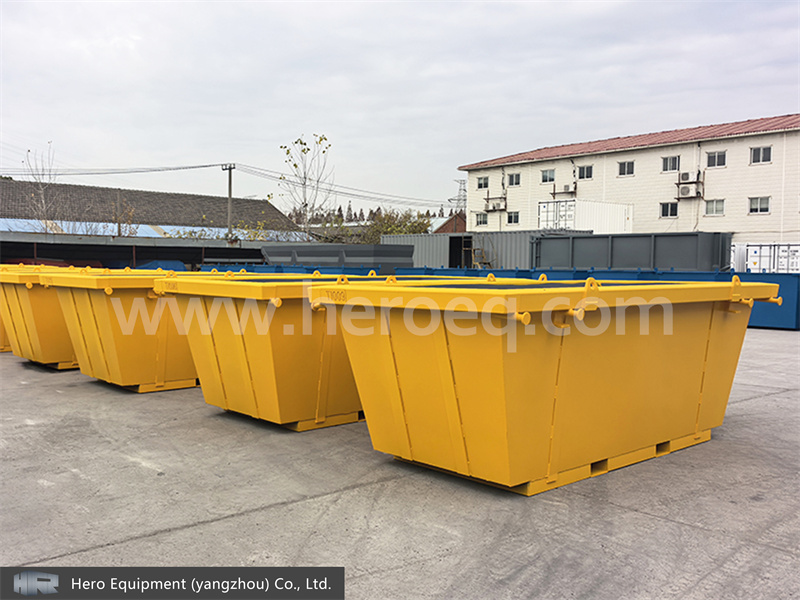
الدور الأساسي لسمك الفولاذ في قدرة التحمل
تؤثر سماكة الفولاذ بشكل مباشر على معامل القسم ولحظة القصور الذاتي لجدران الصندوق وأرضيته وأعضاء التسليح. بعبارات بسيطة، يوفر الفولاذ السميك مقاومة أكبر للانحناء والانبعاج عندما يتم تحميل الصندوق بنفايات ثقيلة أو موزعة بشكل غير متساو. أثناء التعبئة أو الضغط أو الرفع بواسطة مركبات التجميع، تركز القوى الموضعية على مناطق معينة - الزوايا والجدران الجانبية وألواح القاعدة. إذا كان الفولاذ رقيقًا جدًا، فقد تسبب هذه القوى تشوهًا دائمًا أو حتى ثقبًا، خاصة عند وجود أشياء حادة أو كاشطة.
يرفع الفولاذ السميك عتبة مقاومة الخضوع، مما يعني الحاجة إلى المزيد من القوة لبدء تشوه البلاستيك. وهذا يُترجم إلى ضرر أقل وضوحًا أثناء الاستخدام اليومي ويحافظ على شكل الحاوية وسعة حجمها لفترات أطول. علاوة على ذلك، في التطبيقات التي تخضع فيها الصناديق لتفريغ عالي التأثير أو إمساك ميكانيكي، يساعد المقياس الأكثر سمكًا في الحفاظ على الصلابة، مما يمنع الانبعاج أو الانهيار الذي قد تسمح به المادة الرقيقة تحت الضغط.
مقاومة التآكل والانثقاب
تحتوي مواد النفايات غالبًا على عناصر ذات حواف حادة - قصاصات معدنية، وسيراميك مكسور، وحطام بناء - تعمل كأدوات قطع على الأسطح الداخلية للحاوية. مع مرور الوقت، يؤدي هذا التآكل إلى ترقق الفولاذ محليًا، مما يؤدي إلى إنشاء نقاط ضعف عرضة للتمزق. عندما يتم زيادة سمك الفولاذ، فإن المسافة التي يجب أن تخترقها قوى الكشط قبل اختراق السطح، وبالتالي تمديد الفترة قبل حدوث الثقب.
بالإضافة إلى ذلك، يوزع الفولاذ السميك طاقة التأثير بشكل أكثر فعالية. تتبدد الضربة الصادرة عن جسم ساقط عبر مساحة مقطعية أكبر، مما يقلل من ذروة الضغط عند أي نقطة منفردة. وهذا يخفف من تكوين الشقوق الصغيرة، والتي، إذا بدأت في مادة أرق، يمكن أن تنتشر تحت التحميل الدوري وتؤدي إلى فشل مفاجئ.
الصلابة الهيكلية والاحتفاظ بالشكل
تتفاعل هندسة صندوق التخطي - الطول والعرض والارتفاع وأضلاع التسليح - مع سمك الفولاذ لتحديد الصلابة الإجمالية. حتى مع وجود أبعاد خارجية متطابقة، فإن الصندوق المصنوع من الفولاذ السميك سيُظهر مقاومة أعلى للانحراف عند رفعه أو نقله أو تكديسه. تعتبر هذه الصلابة أمرًا بالغ الأهمية لأن التشويه المتكرر يضع ضغطًا على الوصلات الملحومة ونقاط الارتباط؛ يمكن أن يؤدي الثني المفرط إلى إضعاف هذه الوصلات، مما يؤدي في النهاية إلى انفصال الدرزات أو فشل المقابض.
لا يقتصر الحفاظ على الشكل على الشكل الجمالي فحسب، بل يتعلق أيضًا بالوظيفة: فقد لا يتم وضع الصناديق المشوهة بشكل صحيح على شاحنات التجميع، مما يؤدي إلى الانسكاب أو النقل غير الفعال. يضمن الفولاذ السميك احتفاظ الصندوق بشكله المصمم خلال سنوات من الخدمة، مما يقلل من وقت التوقف عن الإصلاح والاستبدال.
أداء التعب تحت التحميل الدوري
تتمتع صناديق التخطي بعدد لا يحصى من دورات التحميل: التعبئة، والرفع، والنقل، والتفريغ، والعودة إلى الخدمة. تؤدي هذه الدورات إلى ضغوط التعب، خاصة في المناطق التي تتعرض لانعكاسات ضغط التوتر المتكررة، مثل القاعدة والألواح الجانبية السفلية. يتحسن عمر التعب مع زيادة سماكة المادة لأن المقاطع الأكثر سمكًا تقلل من سعة الضغط عند حجم حمل معين.
تكون تركيزات الإجهاد - غالبًا عند اللحامات أو قواطع المقابض أو المناطق القريبة من التعزيزات - أقل أهمية في الفولاذ السميك نظرًا لأن قيم الإجهاد المطلقة تظل أقل. وبالتالي، يمكن للصندوق ذو الجدران السميكة أن يتحمل دورات تشغيلية أكثر قبل أن تتطور الشقوق المجهرية إلى عيوب كبيرة، مما يعزز الموثوقية على المدى الطويل.
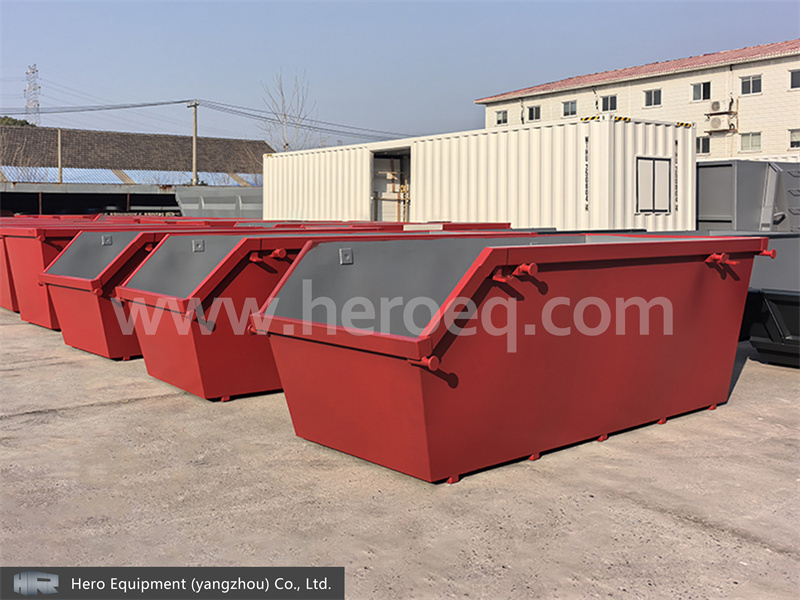
التفاعل بين السماكة ومتانة التآكل
في حين أن السُمك وحده لا يمنع التآكل، إلا أنه يوفر حاجزًا ضد فقدان المواد بسبب الصدأ والهجوم الكيميائي. يؤدي التعرض البيئي - الرطوبة، وأملاح إزالة الجليد من الطرق، والنفايات العضوية الحمضية - إلى بدء عمليات الأكسدة التي تزيل المعدن تدريجيًا. تعني اللوحة الأولية الأكثر سمكًا أن الصندوق يمكنه تحمل قدر معين من التآكل دون فقدان السلامة الهيكلية.
في البيئات المسببة للتآكل، يقوم المصممون أحيانًا بزيادة سماكة الفولاذ بشكل استباقي، للتعويض عن ترقق المواد المتوقع على مدار عمر الصندوق. يعمل هذا النهج على تمديد الفترة قبل أن يصل التآكل إلى عمق حرج حيث تتعرض القوة ومقاومة التسرب للخطر. كما يسمح بإجراء عمليات تفتيش أقل تواترا مع الحفاظ على هوامش السلامة.
اعتبارات الوزن والحدود العملية
تعمل زيادة سمك الفولاذ على تعزيز المتانة ولكنها تزيد أيضًا من الوزن الفارغ للصندوق. تتطلب الصناديق الأثقل معدات رفع أقوى وقد تتكبد تكاليف نقل أعلى بسبب انخفاض الحمولة الصافية لكل رحلة. ولذلك، يجب على الشركات المصنعة تحقيق التوازن بين متطلبات المتانة والقيود العملية التي يفرضها التعامل مع القيود اللوجستية والتنظيمية للوزن للمركبات.
إن اختيار السُمك الأمثل يأخذ في الاعتبار الاستخدام المقصود للحاوية - النفايات التجارية الخفيفة مقابل حطام البناء الثقيل - ويطابق استثمار المواد مع معدلات التآكل المتوقعة. يؤدي الإفراط في تحديد السُمك إلى إضافة تكاليف غير ضرورية وتأثير على البيئة، في حين يؤدي التحديد الزائد إلى الفشل المبكر وارتفاع تكاليف دورة الحياة.
قابلية اللحام وآثار التصنيع
يؤثر الفولاذ السميك على إجراءات اللحام والتحكم في مدخلات الحرارة. يتطلب تحقيق اللحامات السليمة في المواد السميكة تسخينًا مسبقًا مناسبًا، وتبريدًا متحكمًا فيه، وأحيانًا تقنيات تمريرات متعددة لتجنب التشقق وضمان قوة المفصل. يجب على الشركات المصنعة أن تأخذ في الاعتبار جودة اللحام في معادلة المتانة لأنه حتى الغلاف الفولاذي السميك يمكن أن يفشل إذا كانت المفاصل ضعيفة. يضمن التصميم المناسب وضع اللحامات بعيدًا عن مناطق الضغط العالي أو تعزيزها لتتناسب مع أداء المعدن الأصلي.
التأثير على تأثير امتصاص الطاقة
في بعض السيناريوهات، يجب أن تمتص الصناديق التأثيرات العرضية - اصطدام المركبات، أو إسقاط الأحمال الثقيلة، أو التفريغ القسري. يمكن للفولاذ السميك أن يمتص قدرًا أكبر من الطاقة بشكل مرن قبل الخضوع، مما يقلل من احتمالية التمزق الفوري. على الرغم من عدم وجود حاوية غير قابلة للتدمير، إلا أن السماكة الأكبر تؤخر الفشل الكارثي، مما يتيح الوقت لاتخاذ الإجراءات التصحيحية وتقليل مخاطر الإصابة أو الانسكاب.
المنظور الاقتصادي طويل المدى
من وجهة نظر دورة الحياة، غالبًا ما يؤدي الفولاذ السميك إلى انخفاض التكلفة الإجمالية للملكية. على الرغم من أن سعر الشراء الأولي يرتفع مع سمك المادة، إلا أن انخفاض وتيرة الإصلاح ووقت التوقف عن العمل واحتياجات الاستبدال يمكن أن يفوق النفقات الأولية. تساهم الصناديق المتينة في تحقيق مستويات خدمة متسقة لعمليات إدارة النفايات وتقليل النفايات الناتجة عن الوحدات التالفة المهملة.
علاوة على ذلك، يتوافق عمر الخدمة الممتد مع أهداف الاستدامة من خلال تقليل الطلب على المواد الخام والطاقة المرتبطة بتصنيع الصناديق الجديدة. وبالتالي فإن اختيار السُمك المناسب الذي يتناسب مع ظروف التشغيل يعد بمثابة استراتيجية اقتصادية وبيئية.
توليف التأثيرات على المتانة
لتلخيص ذلك، يتحكم سمك الفولاذ في المتانة من خلال عدة آليات متشابكة:
تعمل قدرة التحمل المحسنة على تقليل التشوه تحت القوى الثابتة والديناميكية.
تعمل المقاومة الأكبر للتآكل والثقب على إطالة عمر السطح الوظيفي.
تدعم الصلابة المحسنة والاحتفاظ بالشكل التعامل والتكديس الموثوقين.
يتيح أداء التعب الفائق القدرة على التحمل من خلال دورات تشغيلية لا حصر لها.
يعمل حاجز التآكل على زيادة قابلية الاستخدام في البيئات القاسية.
تضمن تأثيرات الوزن الخاضعة للرقابة جدوى النقل والرفع.
تحافظ قابلية اللحام السليمة على الاستمرارية الهيكلية في الإنشاءات السميكة.
امتصاص الصدمات العالي يخفف من حالات الفشل المفاجئ الناتجة عن الحوادث.
الجدوى الاقتصادية على مدى فترة الخدمة الكاملة من خلال تقليل عمليات الصيانة والاستبدال.
سمك الفولاذ هو المحدد الرئيسي لمتانة صندوق التخطي، حيث يعمل من خلال القوة الميكانيكية، ومقاومة التآكل والتآكل، والقدرة على تحمل الضغوط التشغيلية المتكررة. يتضمن اختيار السُمك المناسب تحليل الأحمال المتوقعة، والتعرض البيئي، وطرق المعالجة، والقيود الاقتصادية.
عند مطابقتها بشكل مدروس مع متطلبات التطبيقات، فإن زيادة سماكة الفولاذ تمنح صناديق التخطي المرونة اللازمة لخدمة موثوقة وطويلة الأجل، مما يضمن استمرارها في الأداء بأمان وكفاءة طوال عمرها الافتراضي المقصود. في جوهر الأمر، تعمل سماكة الفولاذ على سد الفجوة بين إمكانات المواد والقدرة على التحمل في العالم الحقيقي، مما يجعلها معيارًا أساسيًا في تصميم سلة المهملات المتينة.



 هاتف
هاتف
تعليق
(0)